Digital Dirt: The People Quietly Getting Rich Off Virtual Land Nobody Can Touch
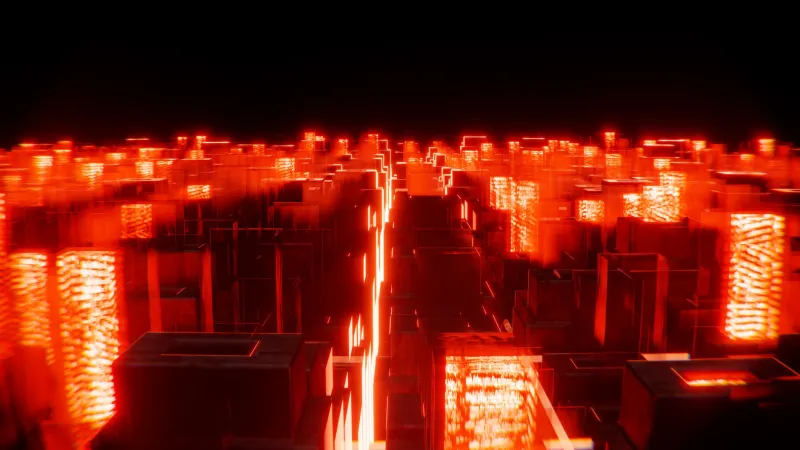
Somewhere in a virtual world you've probably never visited, a piece of digital land just sold for more than a starter home in rural Ohio. No square footage. No foundation. No roof to leak during a thunderstorm. Just coordinates in a persistent virtual environment and a blockchain receipt that says you own them.
Welcome to virtual real estate — the market that's been quietly booming, busting, and booming again while most people are still arguing about whether VR headsets are too heavy.
So What Are People Actually Buying?
Let's get specific, because "virtual land" sounds abstract until you see the receipts. Platforms like Decentraland, The Sandbox, and Somnium Space have been selling parcels of digital terrain for years. These aren't just placeholders — they're programmable spaces where owners can build storefronts, host events, run games, display art, or simply sit on the asset and wait for the neighborhood to gentrify.
The pitch is straightforward: scarcity drives value. Most of these platforms cap the total number of parcels available, so as more users flood in, the land near high-traffic areas theoretically becomes more valuable. Think of it like buying a plot next to a virtual Times Square before Times Square existed.
In practice, transactions have ranged from a few hundred dollars for out-of-the-way parcels to genuinely eye-watering numbers. A chunk of virtual land in Decentraland sold for $2.4 million back in 2021. The Sandbox has logged similar blockbusters. Even accounting for the crypto market's wild swings, plenty of early buyers have walked away with real-money gains.
Who's Actually Getting Paid?
Here's where it gets interesting — and a little uncomfortable. The biggest winners in virtual real estate aren't usually the hobbyists who bought a parcel because it seemed cool. They tend to fall into a few distinct categories.
The platforms themselves always win first. Every time land changes hands, the underlying company collects fees. They also control the rules, the infrastructure, and ultimately the survival of the entire market. That's a lot of power for an entity you're trusting with your investment.
Early institutional buyers got in when prices were laughably low and have been quietly offloading to retail investors ever since. Several venture-backed funds snapped up massive land portfolios in 2020 and 2021, then leased parcels to brands looking for a metaverse presence. Republic Realm, one of the more prominent virtual real estate investment firms, made headlines for buying a $4.3 million estate in The Sandbox. These aren't individual dreamers — they're playing a different game entirely.
Brands chasing buzz have also driven up prices. Adidas, Atari, Snoop Dogg, and a rotating cast of Fortune 500 companies paid premium rates for virtual storefronts and event spaces, mostly for the press release value. When a major brand buys land next to yours, your parcel looks more valuable by association. Until they lose interest and quietly abandon the virtual storefront they spent millions building.
The Value Question Nobody Wants to Answer
Here's the uncomfortable truth sitting at the center of all this: virtual land is only worth what someone else will pay for it, in a world that only exists as long as the company running it stays solvent.
Unlike physical real estate, there's no underlying resource being consumed. No one needs your digital parcel to grow food or build shelter. The value is entirely social and speculative — which means it can evaporate faster than you can pull up your crypto wallet.
The 2022 crypto crash made this painfully clear. Average land prices across major metaverse platforms dropped by 80 to 90 percent from their peak highs. Monthly active users on platforms like Decentraland collapsed to numbers that were, frankly, embarrassing for something that had been valued at over a billion dollars. Suddenly those million-dollar parcels looked a lot more like tulip bulbs.
Some buyers shrugged and held on, betting on a longer-term recovery tied to VR headset adoption. Others just took the loss and moved on.
What Happens When the Lights Go Out?
This is the question that should keep every virtual landowner up at night. What happens to your "investment" when a platform shuts down?
We've already seen the answer play out in smaller cases. Virtual worlds from the early 2000s — some with thriving economies and passionate communities — are simply gone now. The servers went dark, the land evaporated, and the value went with it. There was no foreclosure process, no liquidation, no recourse.
Blockchain-based platforms argue they're different because ownership is recorded on a decentralized ledger that no single company controls. And technically, that's true — your token proving ownership of a Decentraland parcel would still exist even if Decentraland the company disappeared tomorrow. But a token that says you own land in a world that no longer renders is basically a very expensive receipt for nothing.
The infrastructure that makes the land usable — the servers, the rendering engine, the social layer — is entirely centralized, no matter what the marketing copy says.
Is There a Real Play Here?
Depending on your risk tolerance, maybe. The people making consistent money in virtual real estate right now are mostly doing it through active development rather than passive holding. Building out a parcel into a functional venue, leasing it to brands for activations, or creating experiences that generate foot traffic — that's a real business model, even if it's a weird one.
There's also a growing class of virtual real estate agents, consultants, and developers who earn income not from owning land but from helping other people navigate the market. Sound familiar? It should. It's basically the same ecosystem that grew up around physical real estate, just compressed into a few years and running on blockchain rails.
For casual VR users, virtual land is probably more interesting as a cultural phenomenon than an investment vehicle. But for the right kind of operator — someone with development skills, industry connections, and a high tolerance for volatility — there's genuine money being made.
The Bottom Line
Virtual real estate is real in the sense that real money is changing hands and some people are genuinely profiting. It's not real in the sense that any of it is guaranteed to exist next year, next month, or next Tuesday.
The VR platforms that will eventually anchor a mature virtual property market probably haven't fully arrived yet. When persistent, high-fidelity virtual worlds with millions of daily active users become the norm rather than the exception, the land rush will look very different — and a lot more defensible.
Until then, the digital dirt is out there. Some people are getting rich off it. Just make sure you know which kind of person you are before you start shopping for coordinates.